


Donuts in Victoria Chat: Spring Cleaning with Carver County
Free
Wednesday, May 20, 2026

Home > About > CCLN Content Writers

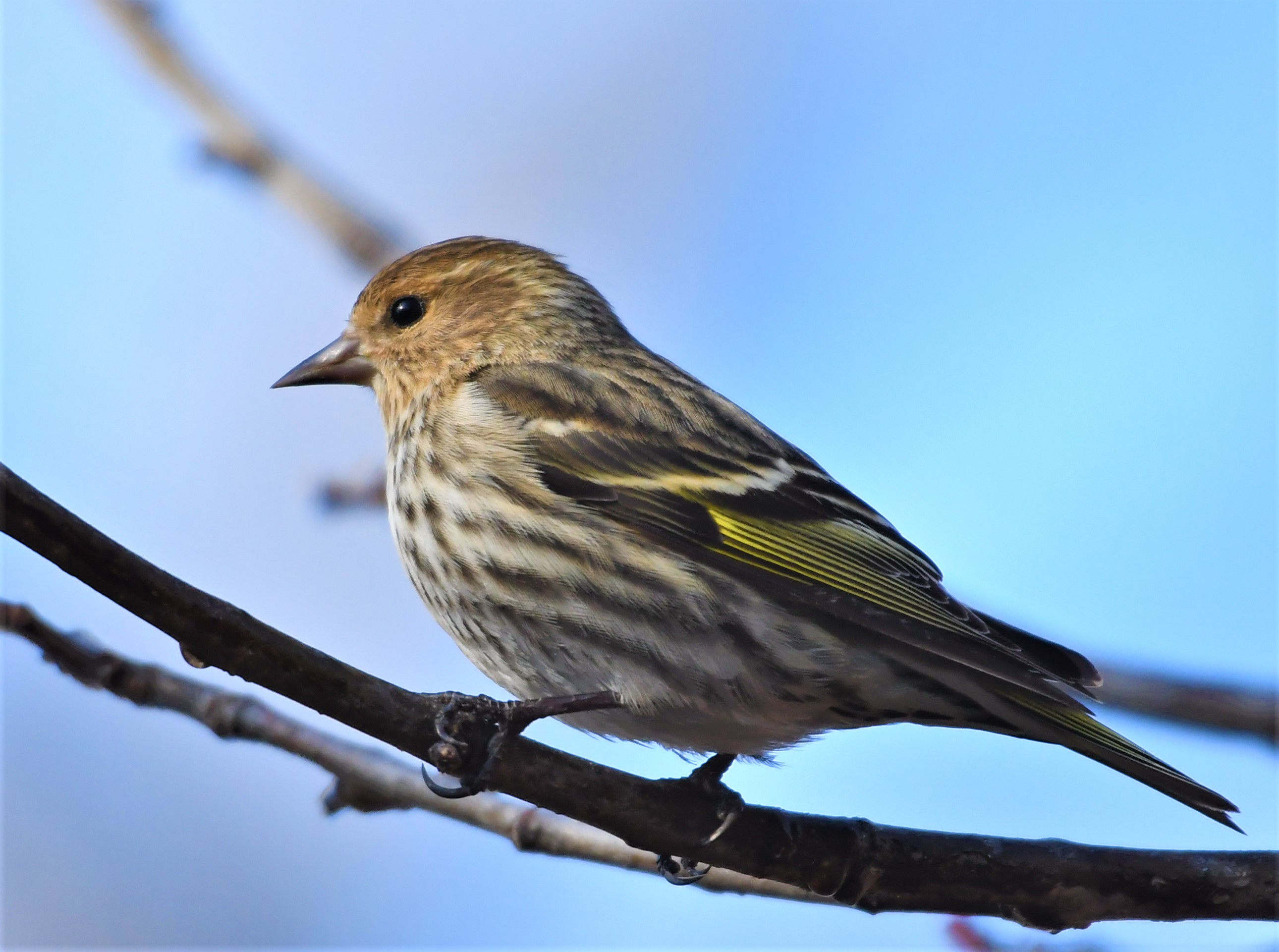
Pine Siskins will always visit bird feeders in the winter. TRUE, FALSE or MAYBE?
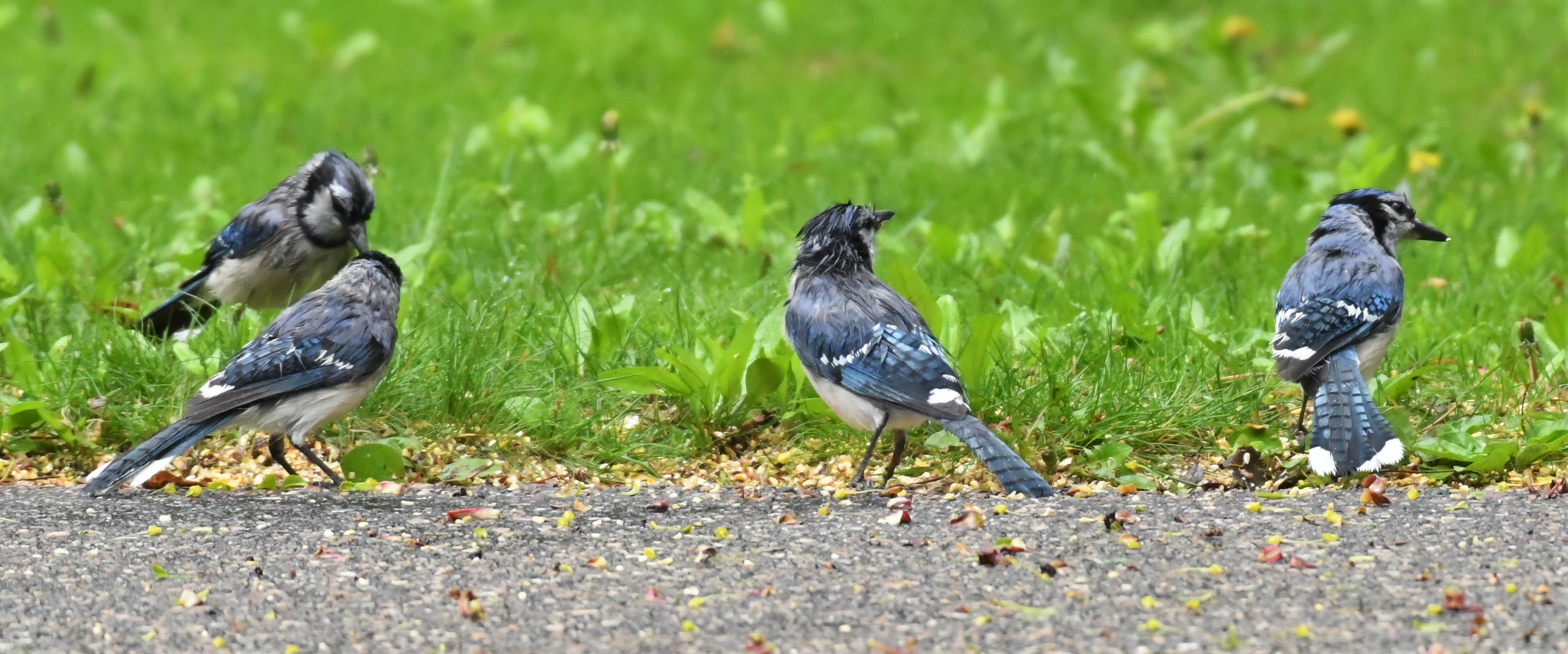
The Blue Jay is one of Carver County’s “best dressed” birds. But is it really Blue?
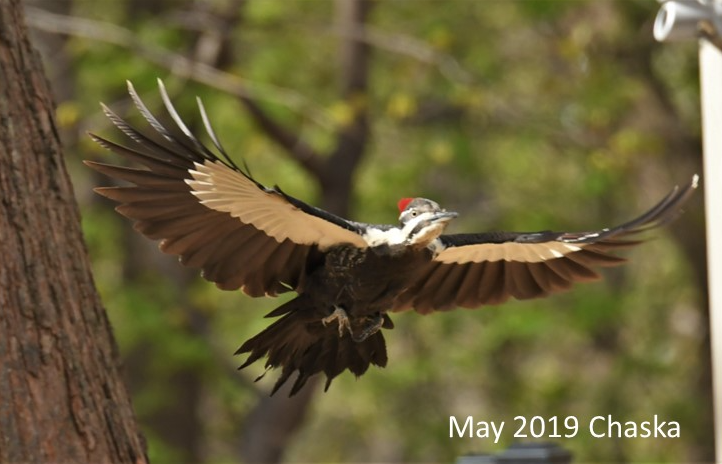
The Pileated Woodpecker, the largest in North America, is easily recognized by its black body and red crest. It thrives in wooded areas, feeding on carpenter ants and creating nesting sites for other wildlife. Though facing habitat loss, its populations remain stable due to adaptability. They are vocal and monogamous, often seen in groups.
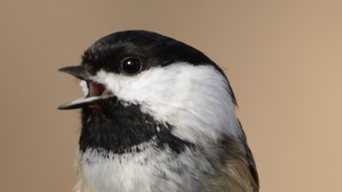
Black-capped Chickadees seem to be the friendliest neighbors. They can be the first to sing to us after we put out food for them. They brighten our moods in late Winter with their promise of a cheerful Spring. They even seem to promote our good health by their constantly-moving example.

Cardinals are known for their bright color and recognizable songs. If you hear a loud “chip” from a tree, look for one or two of them announcing their territory.

During the winter months ahead, if you are near wooded areas, you may hear a unique assortment of Barred Owl calls as it announces its patch of those woods, or as it tries to draw in a suitable mate. More often heard than seen, Barred Owls provide a glimpse into this family of birds that has been embedded into mythology and cultures around the world.

Wild Turkeys are around us throughout the year but are very noticeable in the winter months as the foliage that normally provides cover has diminished. Their tracks in the snow around bird feeders give us hints about their presence, and their roaming flocks in Spring add to our enjoyment of the natural world around us.
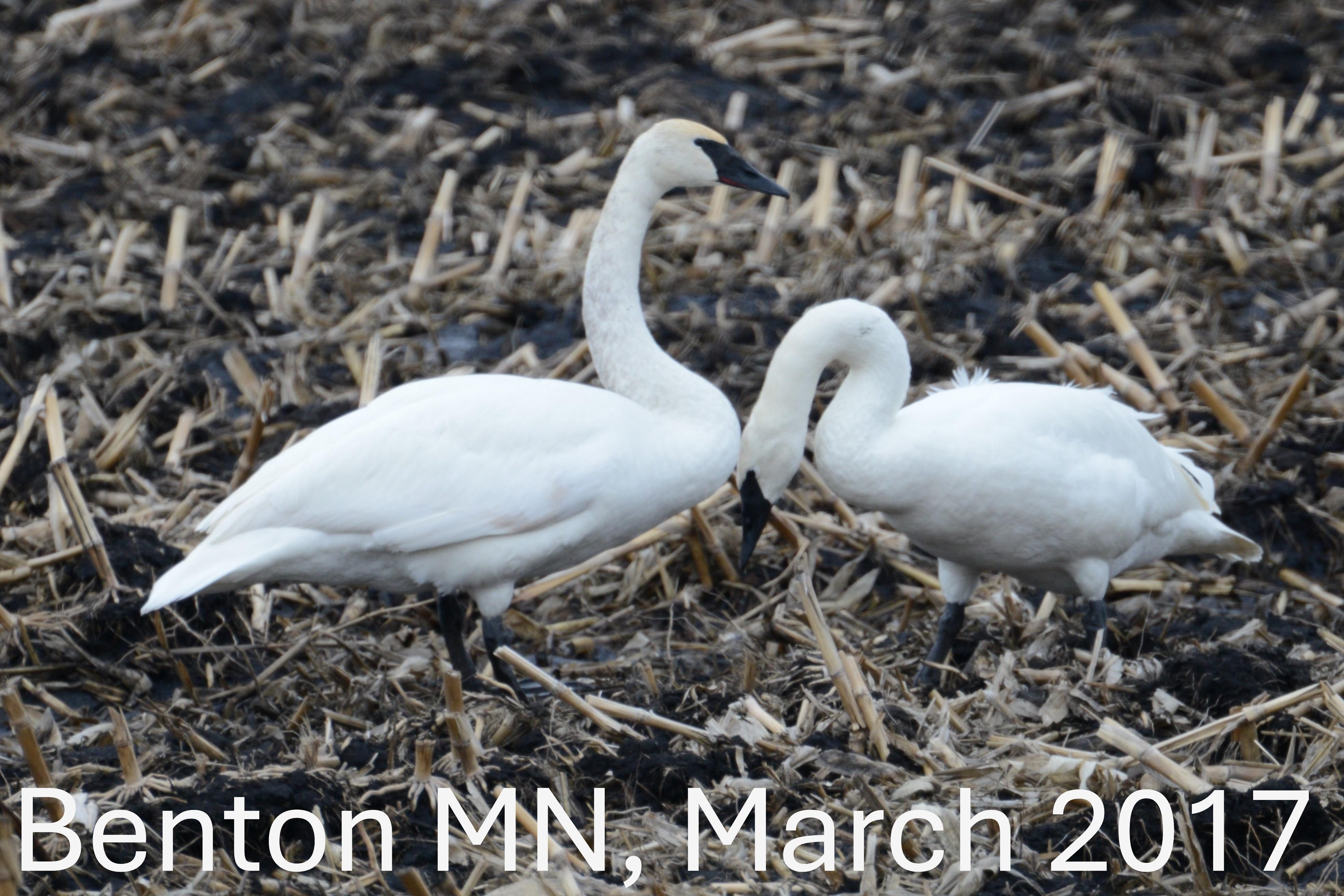
“Birds of Carver County” will present information about bird species that are seen in Carver County. The articles are meant to inspire readers to be aware of their feathered neighbors and perhaps take up the hobby of “birding” to add a focus on nature and the environment to their daily lives.


Anonymous polls to help us better serve our readers
See past polls, check results, vote anytime CCLN Polls
